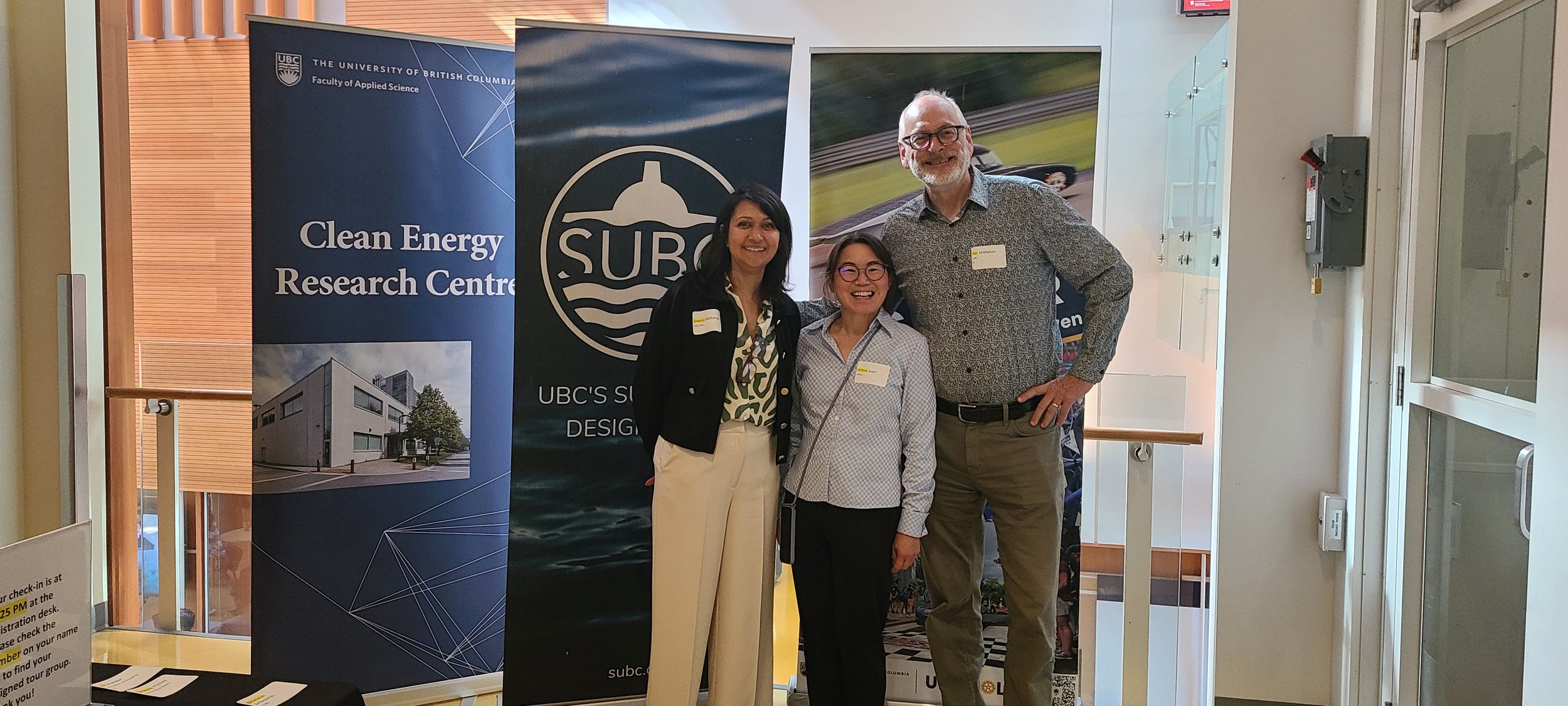
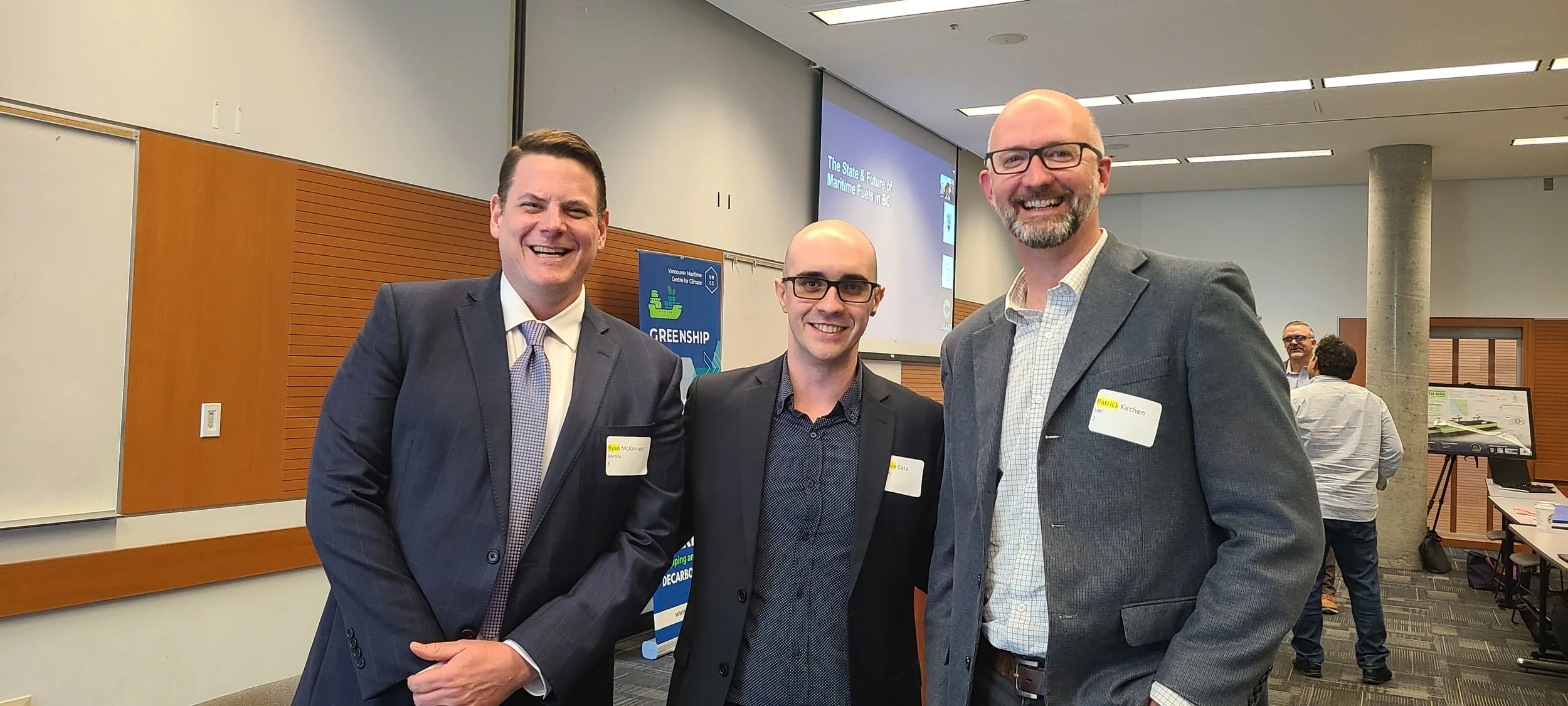
A sincere thank you to everyone who joined us for The State & Future of Maritime Fuels in BC at UBC on Sept. 16th at UBC.
We would like to extend a special thank you to The University of British Columbia and the Clean Energy Research Centre for partnering with VMCC to make the event possible, as well as COAST – Centre for Ocean Applied Sustainable Technologies for their support.
We are deeply grateful to our speakers, facilitators, student teams and everyone who attended and contributed to the conversation.
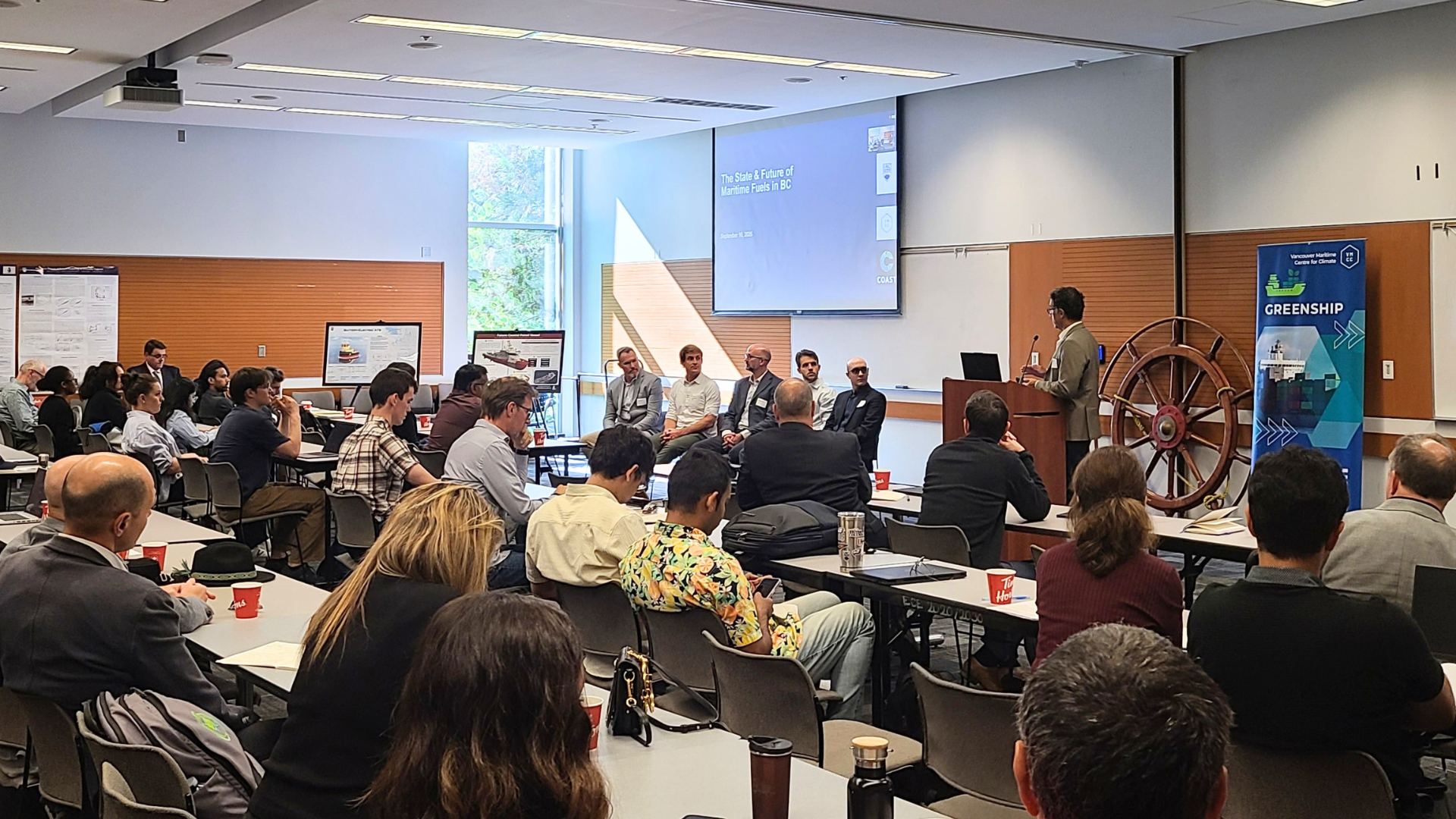
Here are links to the public presentation materials from each speaker:
Patrick Kirchen, Director of the Clean Energy Research Centre, UBC
Jeremy Rochussen, Research Program Manager, Urban Freight Emissions | University of British Columbia
Juvarya Veltkamp, Senior Advisor, Green Ports Forum | C40 Cities
Watch Juvarya Veltkamp’s Presentation Here
Inquire for further recordings.
Throughout the day, we heard perspectives from industry leaders, researchers and practitioners working directly on the transition. Conversations explored the current state of marine fuels, lessons emerging from biofuels, LNG and methanol, and the infrastructure, investment, technology and collaboration that will be needed to move clean fuel pathways forward.
Just as importantly, the event created an opportunity for people from across the maritime ecosystem to meet one another, exchange ideas and contribute their own perspectives.
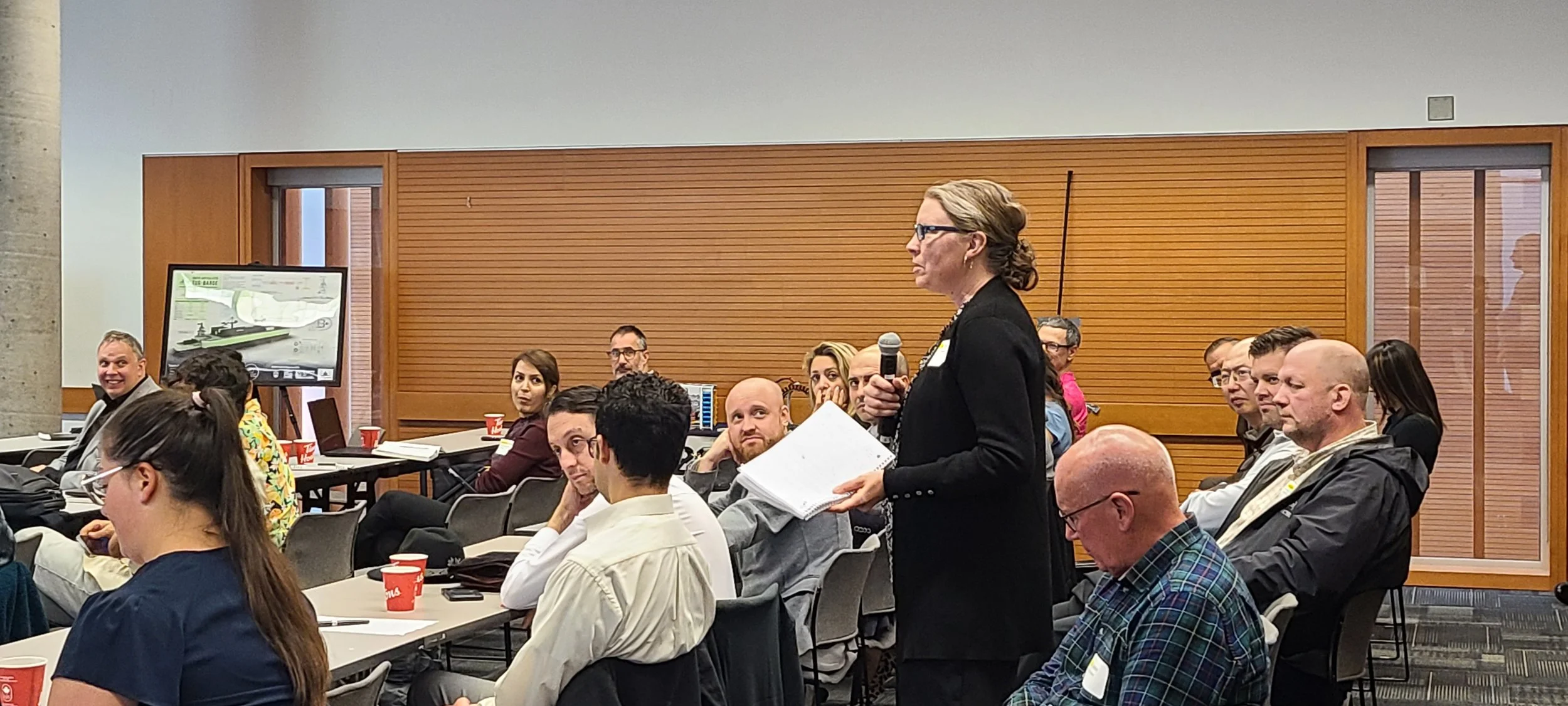
Meaningful maritime decarbonization will require collaboration. Ship owners and operators, ports, energy providers, academia, technology companies, researchers, policymakers, financial institutions have to work together.
Clean Fuels Pathways Workshop
Advancing Clean Marine Fuel Pathways in BC: Lessons from Other Regions and Opportunities for Local Application.
This facilitated, interactive two-hour working session organized by C40 Cities brought together cross-sector leaders to answer the question: How can British Columbia leverage lessons from other regions to advance its own clean marine fuel opportunities?
The agenda included global context and peer region case studies, where participants heard practical lessons on how other regions were advancing clean marine fuels. This included demand aggregation, partnerships, infrastructure, and project development. It also included targeted breakout discussions, with focused small-group working sessions mapping how global trends and peer learnings applied directly to BC’s supply chain, energy baseline, and port infrastructure using ocean-going vessels as the primary enabling market segment.
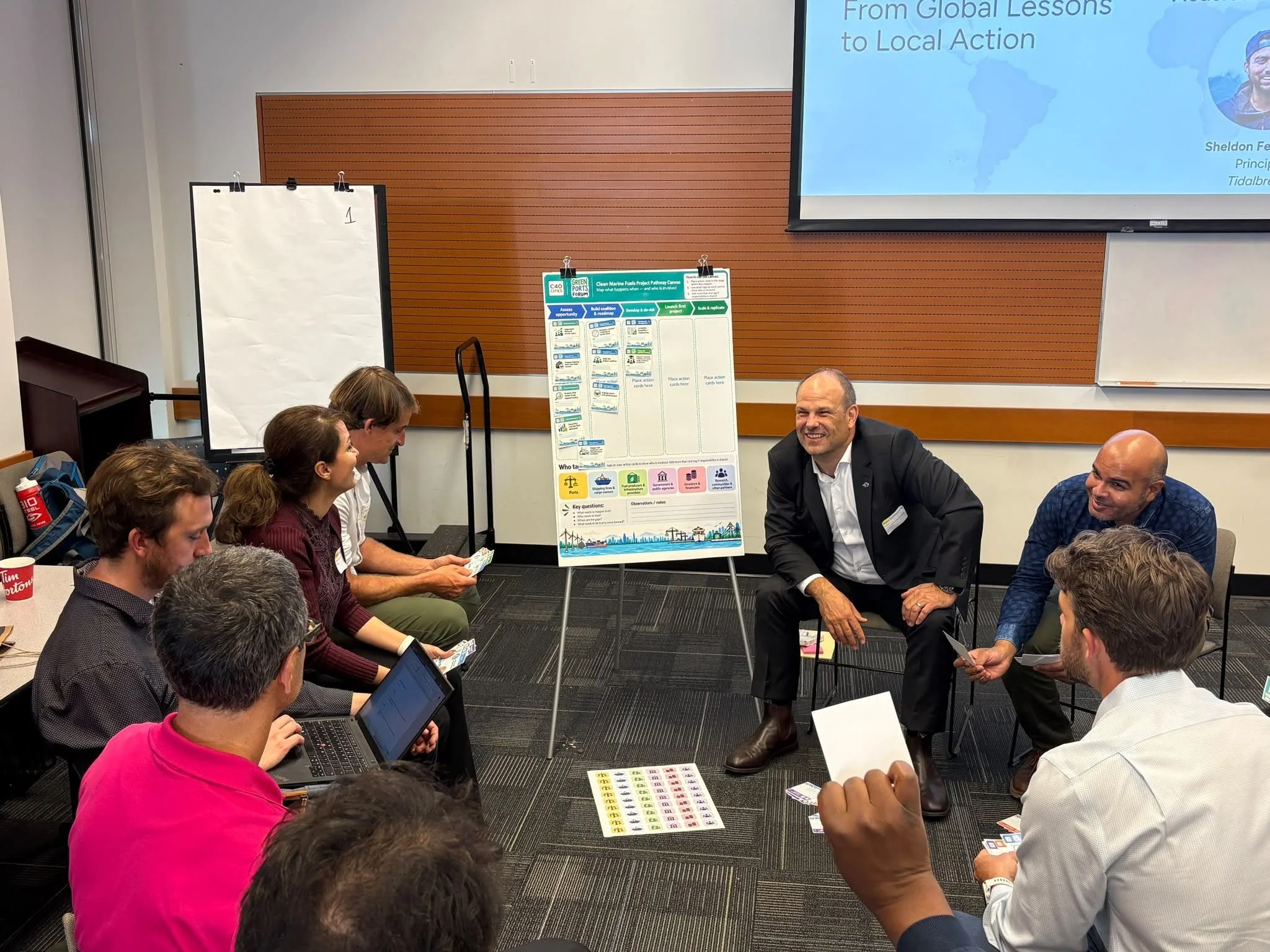
Participants working together to sort cards into each category.
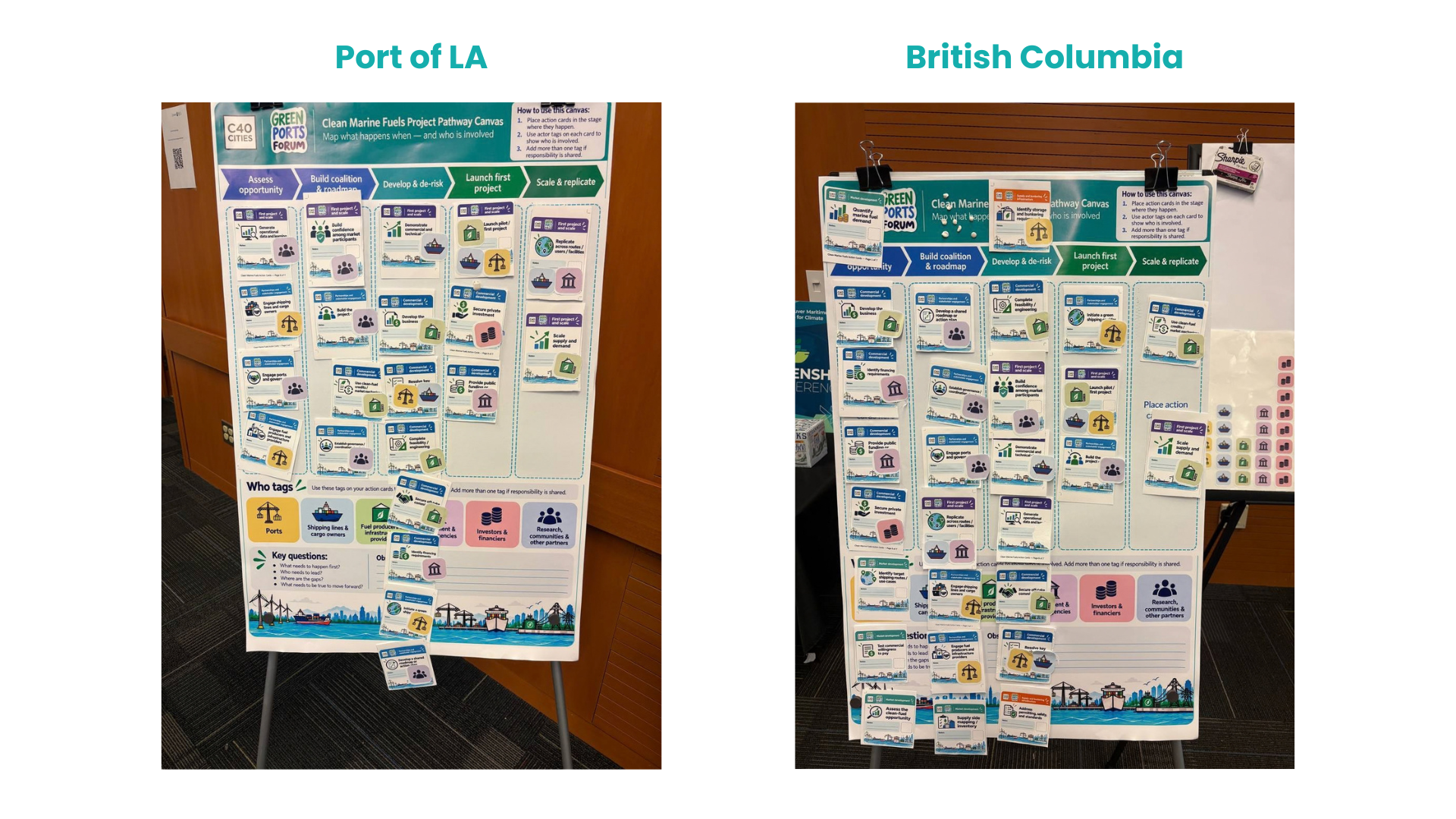
Results from the mapping exercise conducted during the workshop.
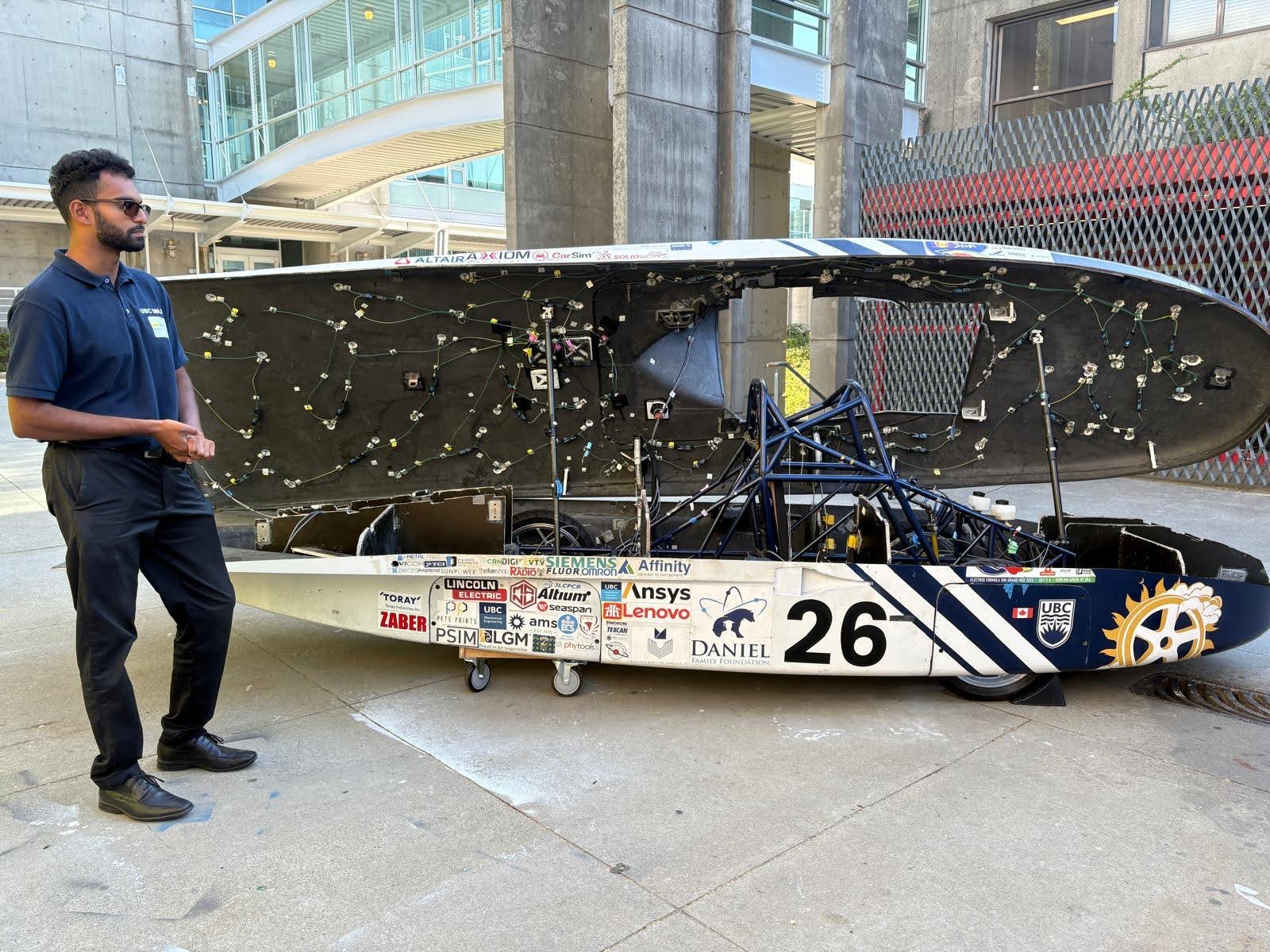
Tours of The Student Labs
Participants of the events got to tour each of the following student labs at UBC:
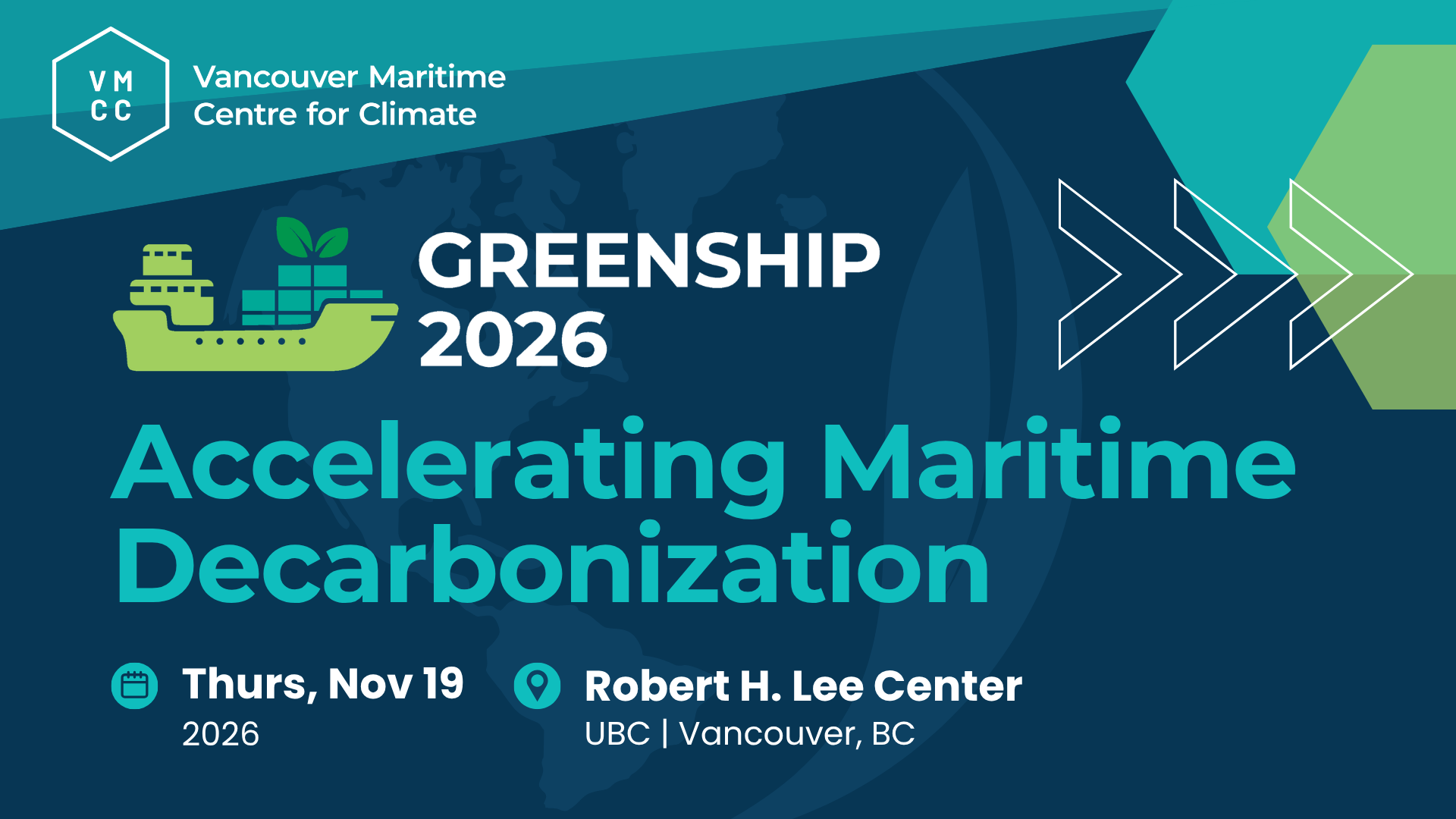
The Conversation Continues at GreenShip 2026
Don’t forget to use your $50 voucher!
Available for State and Future of Maritime Fuels Attendees
If you joined us on September 16, we hope you will continue the conversation with us at GreenShip 2026 on Thursday, November 19 at the UBC Robert H. Lee Alumni Centre in Vancouver.
Register for GreenShip 2026 here.
GreenShip returns with a full-day program for maritime leaders advancing decarbonization across ports, terminals, shipping lines, and the wider maritime sector. The event combines global insights, regional innovation, and practical decarbonization strategies for this demanding industry. Topics include international frameworks, clean fuels, electrification, vessel technologies, and climate finance, highlighting the West Coast's potential to lead maritime transformation.
Sustainable maritime fuels and what is possible for Canada’s West Coast
Electrification and landside infrastructure
Technology adoption and real-world operations
Clean infrastructure investment and climate finance
Global developments shaping maritime decarbonization
Reach out to us!
If you'd like any introductions or further recordings, reach out to us! We can share further recordings on a case-by-case basis. We’re always happy to connect members of our community with each other.
Reach out to info@vmcclimate.ca.