VMCC Newsletter
THE LOOKOUT
ISSUE 12. | Summer 2026

Sharper Clarity for Maritime Climate Leadership
A MESSAGE FROM OUR EXECUTIVE DIRECTOR

As we move through this summer, it’s impossible to ignore the reality that global geopolitics continue to complicate the pace and clarity of the energy transition. Yet even amid this turbulence, the long-term direction remains unmistakable. The world is moving toward cleaner, more resilient systems, and the maritime sector— in British Columbia, across Canada, and globally—must position itself to stay competitive, secure, and ready for the expanding demands of trade-based shipping.
At the Vancouver Maritime Centre for Climate, we see enormous opportunity in this moment. Our work with partners and stakeholders is accelerating, particularly around clean maritime fuels and landside electrification—two areas that will define the next generation of maritime competitiveness. The innovation potential is real, and the community is leaning in.
This summer and fall, that momentum will be visible across a range of VMCC initiatives. From curated roundtable discussions in downtown Vancouver, to our September showcase event at UBC, to our monthly webinar series that continues to grow in reach and impact, the maritime community is coming together to explore what’s possible. All of this will build toward our 5th annual GreenShip Conference at the end of the year—a milestone gathering that will help shape the next chapter of maritime climate leadership in Canada.
Engagement matters now more than ever. The energy transition is underway, and the choices we make today will determine our resilience and competitiveness for decades to come. Becoming a VMCC member strengthens our collective capacity to lead, convene, and accelerate solutions. If you’re not yet involved, I encourage you to join us and help advance this work.
Together, we can ensure Canada’s maritime sector is ready for the future that is already arriving.
Warmest regards;
Bryan Buggey
Executive Director

Global Shipping Decarbonization: Our Quarterly Synthesis
Over the past three months, global momentum around maritime decarbonization has shifted from broad ambition to concrete implementation. Regulatory certainty is tightening across key jurisdictions, with the IMO advancing its global carbon-pricing framework and the EU fully activating its maritime ETS and FuelEU Maritime requirements. Together, these moves signal that carbon costs will increasingly shape vessel operations, investment cycles, and fuel choices worldwide.
At the same time, fuel pathways are consolidating. LNG continues to dominate near-term vessel orders, while biomethane and e-methane are scaling faster than expected. Parallel efforts to establish green methanol and ammonia hubs show that the industry is preparing for a multi-fuel future, where regional energy systems and port infrastructure determine competitive advantage.
Infrastructure investment is accelerating to match this shift. Ports, energy producers, and technology firms are coordinating around strategically located green fuel hubs, creating the early architecture of a global clean-fuel network. This signals that the bottleneck is no longer technological feasibility — it is the speed at which governments and industry can align on shared infrastructure and standards.
Key Developments
IMO global carbon fee advances — Member states kept the Net-Zero Framework alive, preserving the pathway toward the first global carbon price on shipping emissions.
Industry coalition pushes for 2026 adoption — 87 major maritime, energy, and technology firms publicly urged governments to finalize the IMO Net-Zero Framework to unlock investment.
EU ETS fully implemented for maritime — 100% carbon surrender now applies to intra-EU voyages, with expanded coverage to methane and nitrous oxide.
FuelEU Maritime enters full compliance — The EU’s well-to-wake GHG intensity reduction regulation is now operational, driving progressive fuel-intensity cuts through 2050.
LNG remains dominant; methane pathways scale — LNG-powered vessels represent the majority of alternative-fuel orders, while biomethane and e-methane supply expanded significantly.
Green fuel hubs emerge as strategic accelerators — Global assessments identify ports best positioned to lead methanol, ammonia, and synthetic fuel bunkering.
What This Means for British Columbia’s Maritime Future
For British Columbia, these global developments are not abstract — they are directional signals for the province’s next decade of maritime strategy. As carbon pricing becomes embedded in global shipping, BC’s ports will increasingly compete on the basis of low-carbon operations, clean-fuel availability, and regulatory alignment with international standards.
The rise of green fuel hubs presents a strategic opportunity: BC can position itself as the Pacific Northwest’s leading clean-bunkering gateway, leveraging abundant renewable electricity, emerging hydrogen production, and strong climate policy frameworks.
The consolidation of fuel pathways also matters locally. LNG’s continued dominance reinforces the relevance of BC’s existing LNG marine infrastructure, while the rapid scaling of biomethane and e-methane aligns with the province’s strengths in renewable gas production. As methanol and ammonia hubs emerge globally, BC will face a choice: invest early to shape the region’s fuel landscape, or risk ceding leadership to ports that move faster.
Taken together, the global shift toward implementation suggests that BC’s maritime sector is entering a decisive window. At VMCC, we believe the next 3–5 years will determine whether the province becomes a clean-shipping leader on the Pacific Rim — or a follower adapting to standards set elsewhere. The opportunity is real, the timing is favourable, and the global signals are clear: the transition is accelerating, and BC is well-positioned to lead if it chooses to act boldly now.
VMCC Member Showcase: Global Container Terminals (GCT)
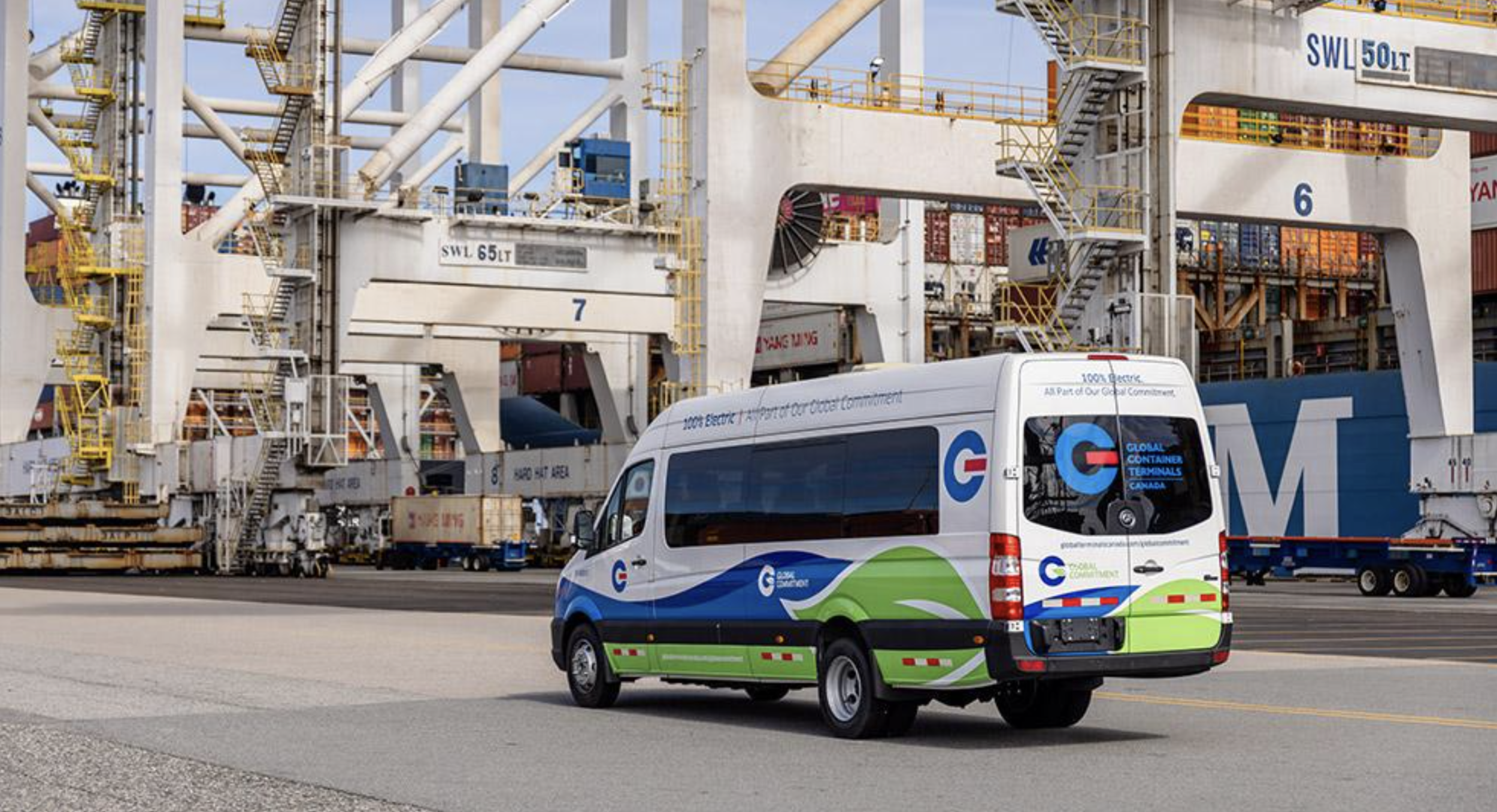
At a time when sustainability progress is met with many challenges, GCT is demonstrating what ambitious climate action can achieve. Supported by renewable diesel, equipment modernization and BC’s electricity grid, GCT has reached several major milestones including:
Reducing Scope 1 and 2 emissions by 82% year over year and 88% since 2014, surpassing its 2030 target five years early.
Deployed Canada’s largest marine-terminal EV fleet, with more than 40 electric pickups and 140 chargers in a network of chargers.
Successful deployment of a custom-built (and Canada’s first) EV Fuel Truck and Lube Truck. This is a model for tank-based truck operations who are considering going electric.
Two EV Terminal Tractor pilots completed with an innovative testing methodology
Ordered the world’s first fully battery electric Rubber Tire Gantry Crane as a pilot expected at GCT in late 2026.
Congratulations to Global Container Terminals for making a real measurable impact and providing inspiration to our community of maritime decarbonization professionals. Your efforts provide more evidence that caring for air quality, climate and the environment is simply good business.
Upcoming Events: Monthly Speaker Series
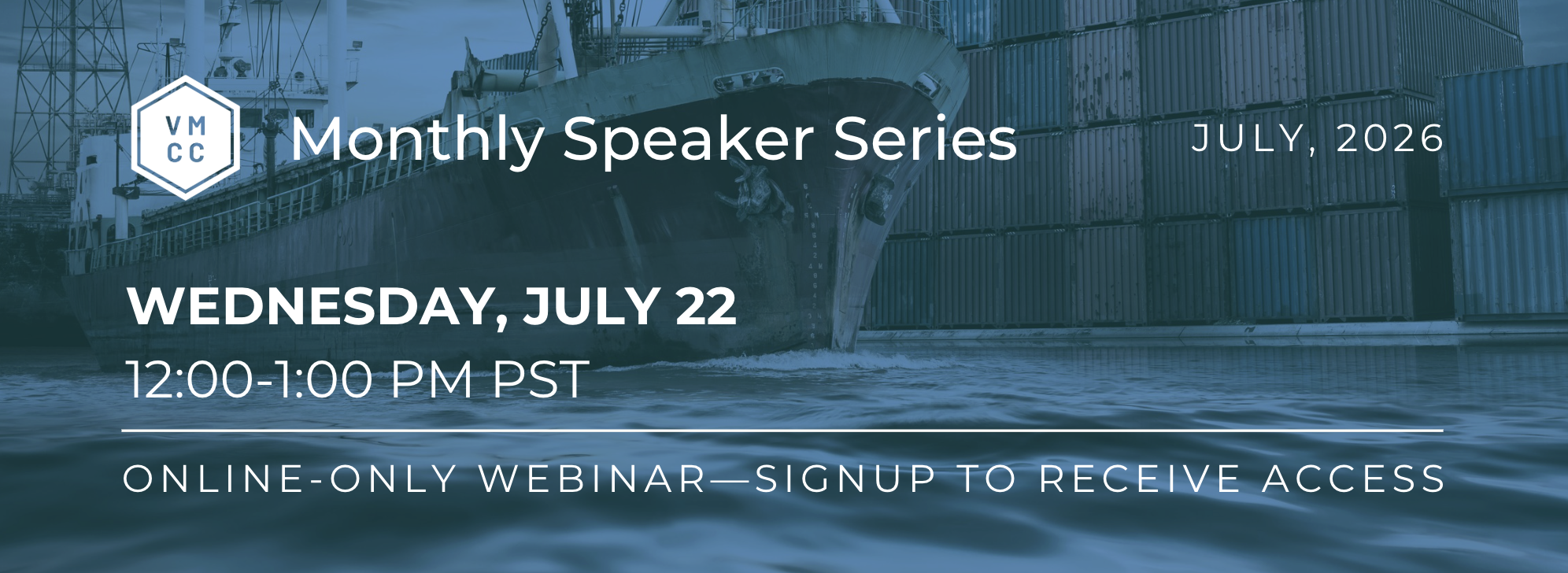
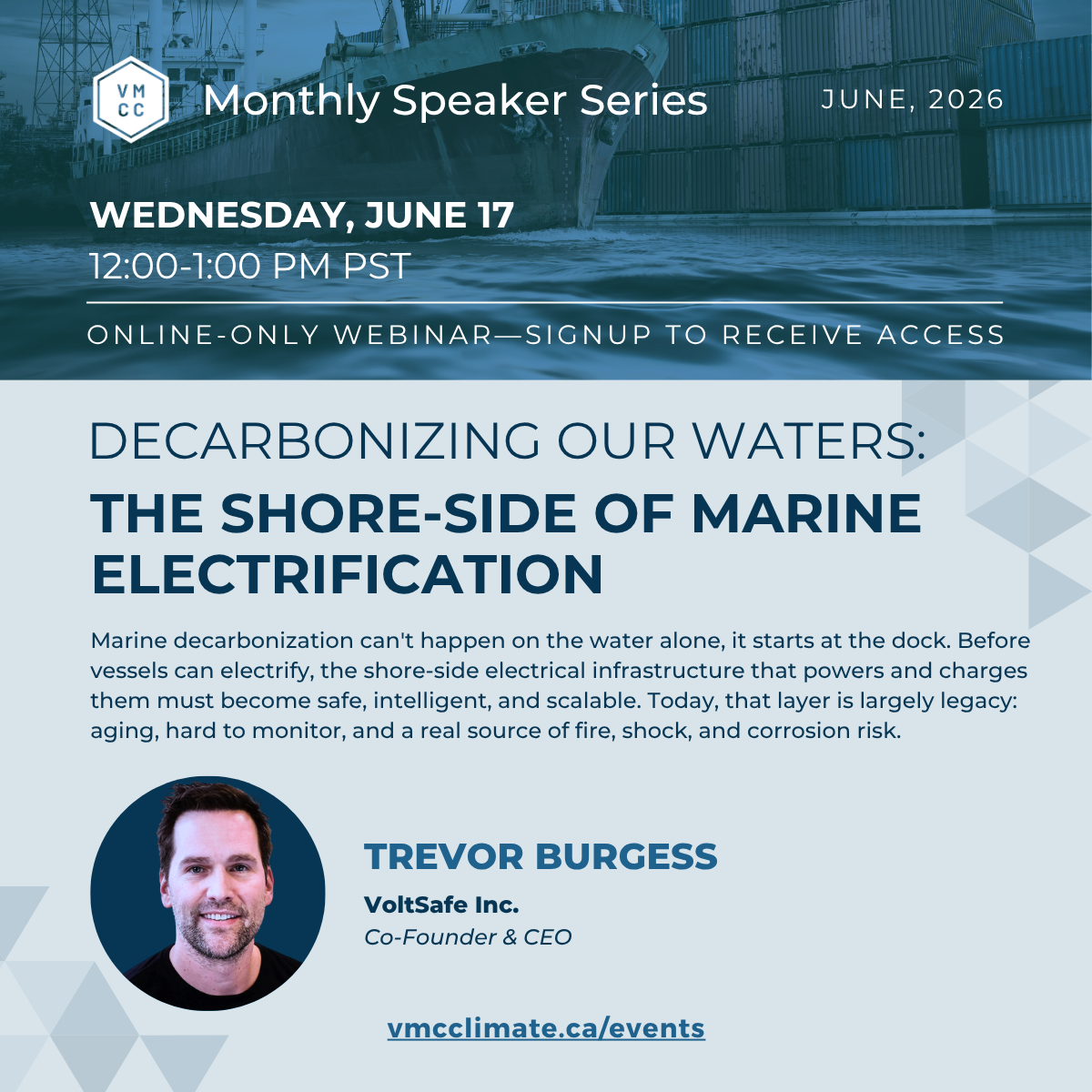
July’s Speaker Series: 3GA Marine
Wednesday, July 22, 2026
12:00–1:00 PM PST
3GA Marine is Moving Beyond the Theoretical: Lessons from Vessel and Charging Feasibility Studies. This presentation and discussion highlight lessons learned from executing electrification efforts in the maritime sector, including the critical role of utilities.

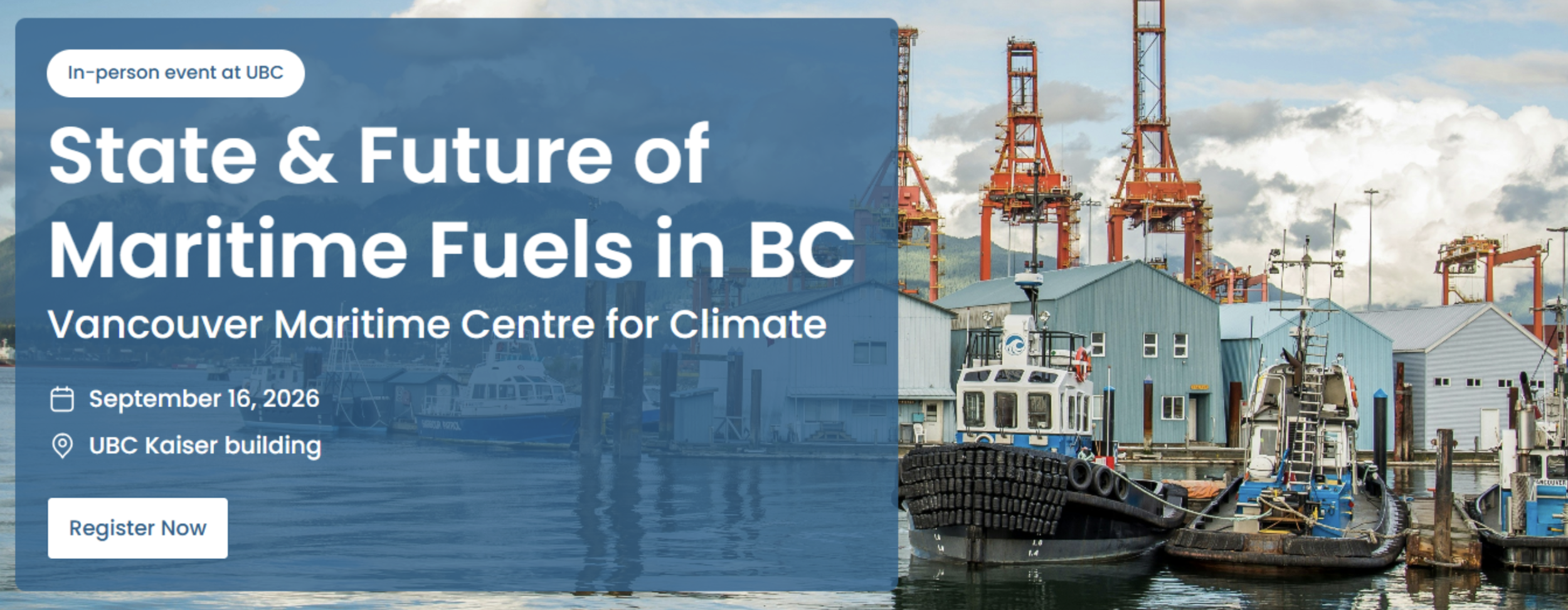
Industry Event: State & Future of Maritime Fuels in BC
Wednesday, September 16, 2026
9:30 AM–4:30 PM
In-person, UBC Kaiser Building, Vancouver, BC.
A one-day workshop & networking event on the decarbonization of marine transportation and the development of a Clean Maritime Fuels Hub in British Columbia. Learn about the current state and future opportunities of clean maritime fuels. See the latest innovations and research at the UBC labs. What do we need to plan for? What are the current trends that may influence public policy? How can we collaborate to build a clean maritime fuels hub in BC?
Greenship 2026
Thursday, November 19, 2026
9:00 AM–5:00 PM
GreenShip, VMCC’s flagship event, brings together 160+ ship owners, terminal operators, ports, solution providers, regulators, academia, and decision makers to advance decarbonization in BC’s maritime sector. Build high-value relationships while getting a deeper understanding of clean-fuel opportunities, electrification, financial options, policy & regulation, and new technology solutions. Position your organization to best succeed in a world of maritime decarbonization.
Maritime Decarbonization Course in Partnership with Synergy Enterprises
Delivered in partnership with Synergy Enterprises, VMCC’s Maritime Decarbonization Training course successfully brought together leading industry experts from the VMCC community to provide practical guidance on advancing maritime emissions reductions. Through five focused modules, participants explored vessel retrofits, clean technologies, alternative propulsion systems, future fuel markets, port readiness, funding opportunities, and real-world case studies. The course strengthened participants’ understanding of emerging regulations, available infrastructure, financial considerations, and proven decarbonization strategies. By connecting sustainability objectives with operational and business priorities, the program equipped maritime professionals with greater clarity and confidence to make informed decisions and pursue achievable decarbonization initiatives within their organizations.
With this successful pilot behind us, VMCC is pleased to announce the next course will be launched in January 2027. For further information about the course and how to register and participate, please reach out to our team at info@vmcclimate.ca.
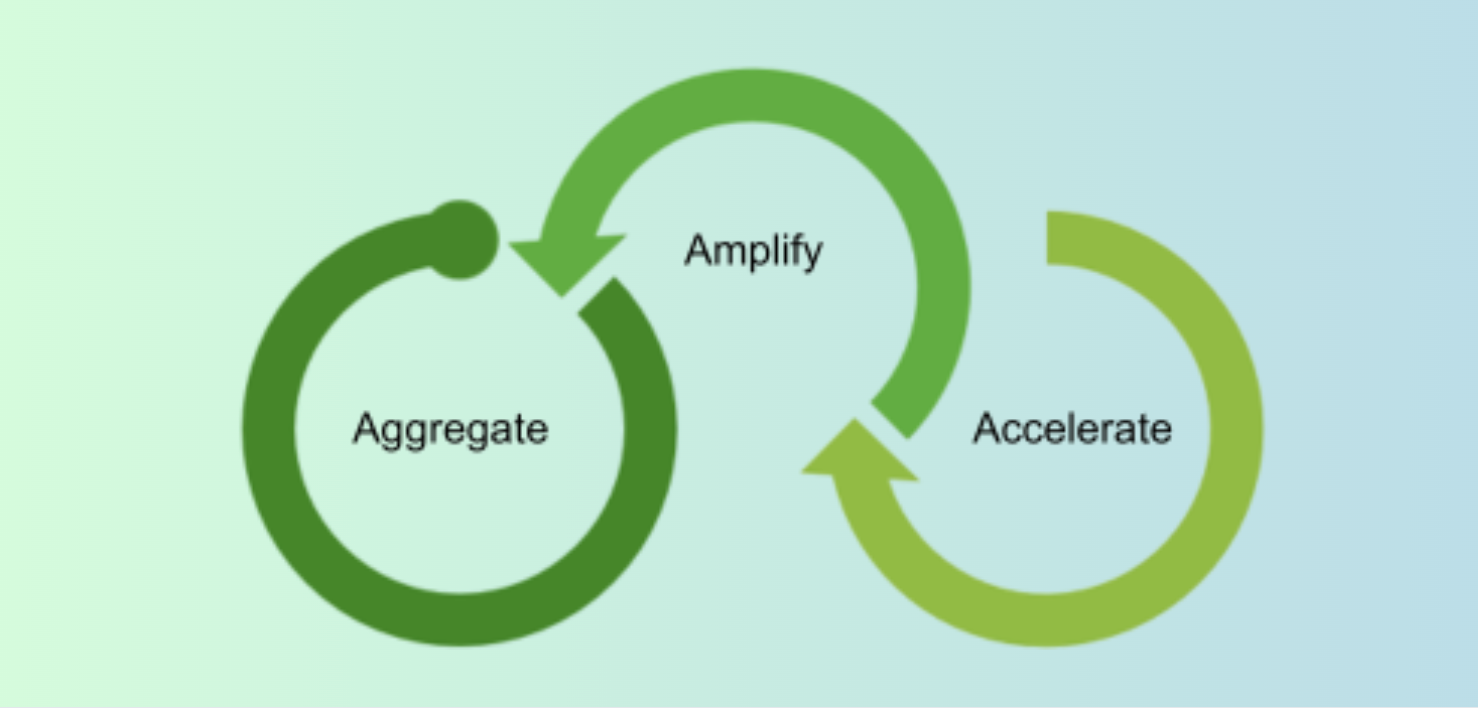
Become a VMCC Member!
VMCC invites maritime stakeholders to join a growing community committed to decarbonization in BC. Members benefit from ecosystem convening, knowledge sharing, collective advocacy, and connections to projects, technologies, funding, and research. We’re encouraging organizations interested in learning, collaborating, or shaping maritime decarbonization to reach out to us directly.
Upcoming third-party events for our community
Imagine Marine Conference - September 22&23 (Ottawa)
ABCMI – Business Opportunities Conference & Trade Show - October 20&21 (Vancouver)
One Ocean Week – October 19-25 (Seattle)